
Poems
Someday
Johnson
Creek
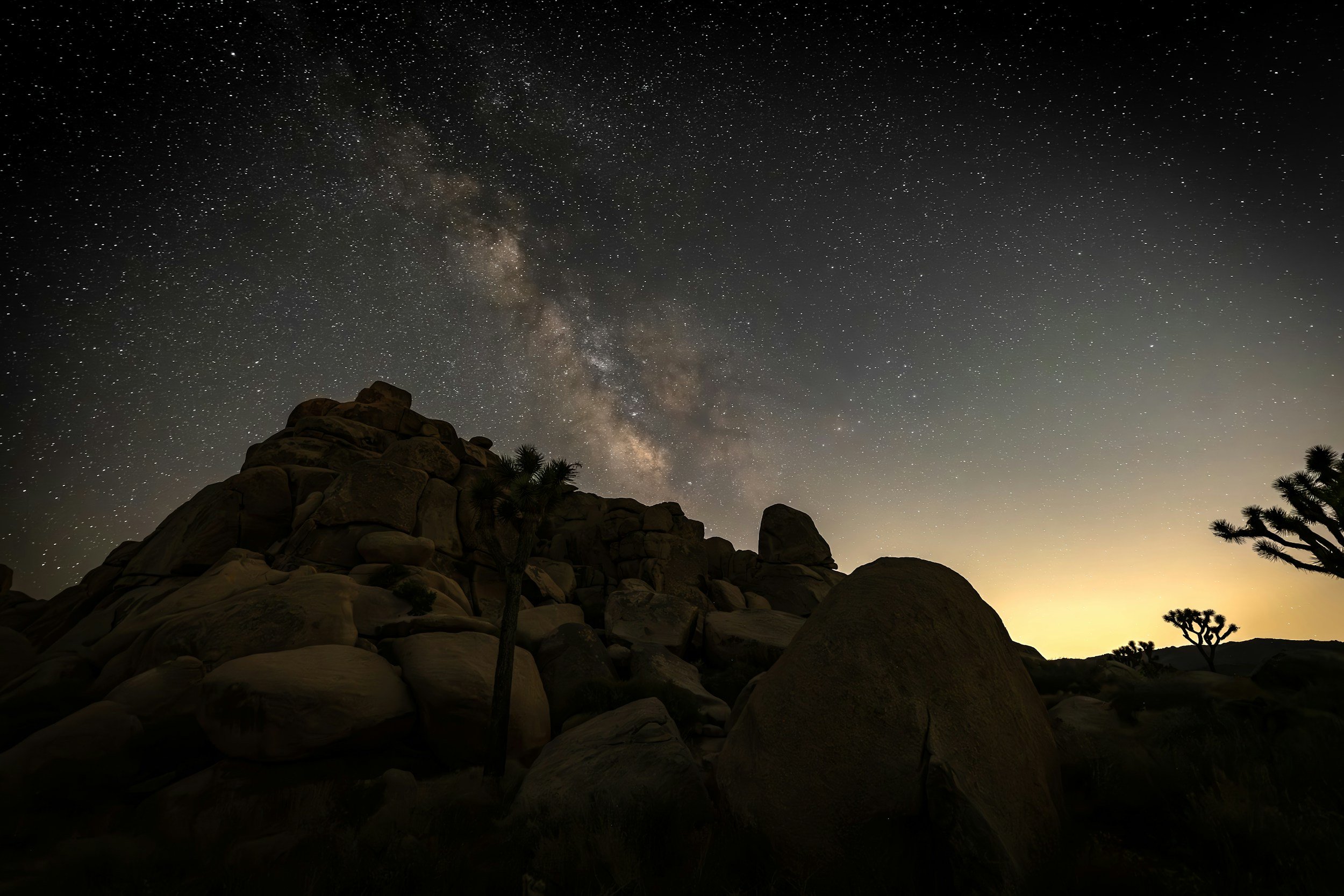
"To spend time with these words is to be outside in rushing water, alive with hard stone and soft bark, to be amongst the wild with all its roar and pelt. A collection dazzling in its claw, and raw with sudden personal sorrows. A delight." — Eleanor Anstruther, author of A Perfect Explanation

Someday Johnson Creek
Book Reviews
“A good poetry collection is something a reader returns to again and again. One read can't be enough (and if it is, the thing should be taken to the thrift shop). This one's a keeper.
On second read, or fourth, I find different threads, snags of intention and images I haven't yet experienced. But also, a deepening of what was my first read, too. The visceral quality here is what most moves me; it's something to grab at. Might be painful, but it grows from the natural world. Even in facing death--a hunting gunshot wound (something this Canadian is familiar with) there is rawness and life lived with intimate knowledge of the shadow that is always a part of being alive.
Trail poems, working in wilderness poems, humans in the natural world, doing their unnatural things, trying to get it right.”
— Alison Acheson, author of Dance Me to the End
"To spend time with these words is to be outside in rushing water, alive with hard stone and soft bark, to be amongst the wild with all its roar and pelt. Dolezal is enraptured by his surroundings, and their essence pours throughs his fingers onto the page where we drink them in, are suddenly tumbled, washed, warmed and thrust out again and again into the landscape he loves. A collection dazzling in its claw, and raw with sudden personal sorrows. A delight."
— Eleanor Anstruther, author of A Perfect Explanation
"If Ernest Hemingway had remained Nick Adams, had he allowed himself to be Nick Adams - pounding and hewing a love and pain-born self out of wood and wilderness - he might have been Joshua Dolezal. Hemingway, of course, was never of Montana, where Dolezal emerged both man, attuned to wild nature's way, and writer. But Norman Maclean was, and he, too, fought wildfires and cut his own kind of narrative poetry out of the wilderness, worked and sought his soul there. Now, in a lean, taut poetry that at just the necessary moment exerts its lyrical lift, Dolezal reaches not to conquer nature but toward a hard-earned union, seeking, as in 'Geometric, ' 'the square root of the sum / of this body, this earth.'”
— A. Jay Adler, author of Waiting for Word
“I don't read a ton of poetry, but I really enjoyed Joshua Doležal's beautiful collection of poems, densely packed with toothsome bits of northwoods nature, family lore, and the clear heart of a man. I sank into his world of wilderness firefighting and river stones, "the faint hiss of heat" and the "frets of the trail," all leading me towards a "well-swept mind." Rock-rough, bittersweet, tempered by fire—and gentle, true, and glowing with a love of place. Bravo!”
— Bowen Dwelle
Shortlist, 2016 William Saroyan International Prize
Down
from the
Mountaintop
From Belief to Belonging
“Joshua Doležal traces the map of his life with the instincts of a poet and the sure direction of a cartographer.” —Kim Barnes, author, In the Wilderness: Coming of Age in Unknown Country

A lyrical coming of age memoir, Down from the Mountaintop chronicles a quest for belonging. Raised in northwestern Montana by Pentecostal homesteaders whose twenty-year experiment in subsistence living was closely tied to their faith, Joshua Doležal experienced a childhood marked equally by his parents’ quest for spiritual transcendence and the surrounding Rocky Mountain landscape. Unable to fully embrace the fundamentalism of his parents, he began to search for religious experience elsewhere: in baseball, books, and weightlifting, then later in migrations to Tennessee, Nebraska, and Uruguay. Yet even as he sought to understand his place in the world, he continued to yearn for his mountain home.
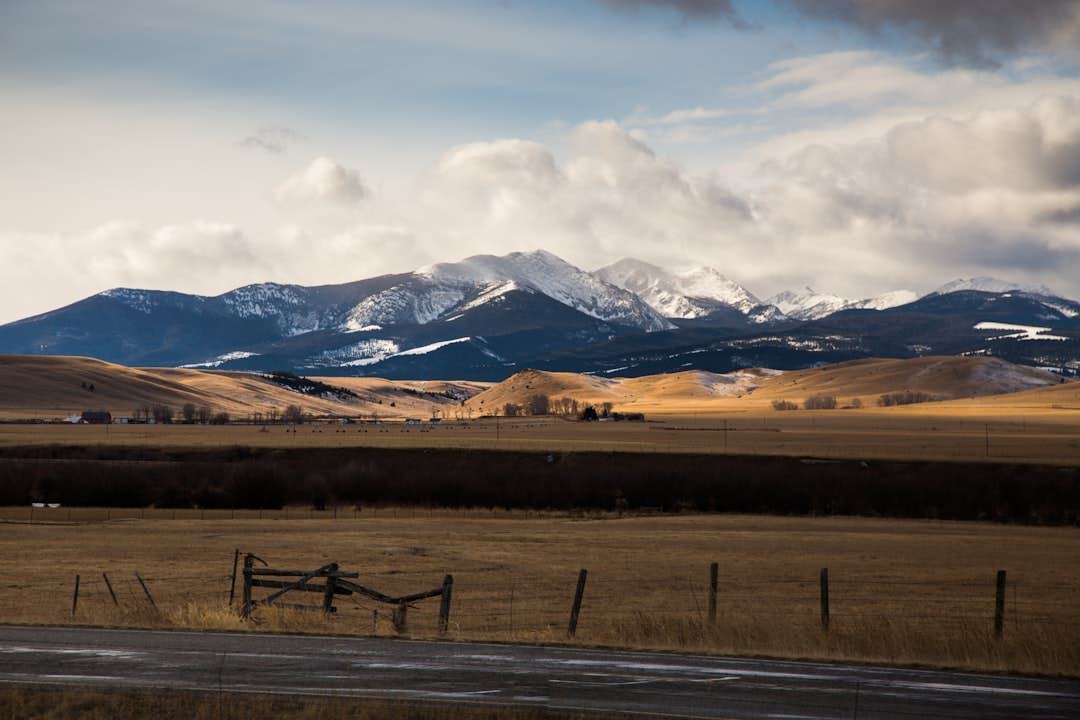
For more than a decade, Doležal taught in the Midwest throughout the school year but returned to Montana and Idaho in the summers to work as a firefighter and wilderness ranger. He reveled in the life of the body and the purifying effects of isolation and nature, believing he had found transcendence. Yet his summers tied him even more to the mountain landscape, fueling his sense of exile on the plains.
It took falling in love, marrying, and starting a family in Iowa to allow Doležal to fully examine his desire for a spiritual mountaintop from which to view the world. In doing so, he undergoes a fundamental redefinition of the nature of home and belonging. He learns to accept the plains on their own terms, moving from condemnation to acceptance and from isolation to community. Coming down from the mountaintop means opening himself to relationships, grounding himself as a husband, father, and gardener who learns that where things grow, the grower also takes root.
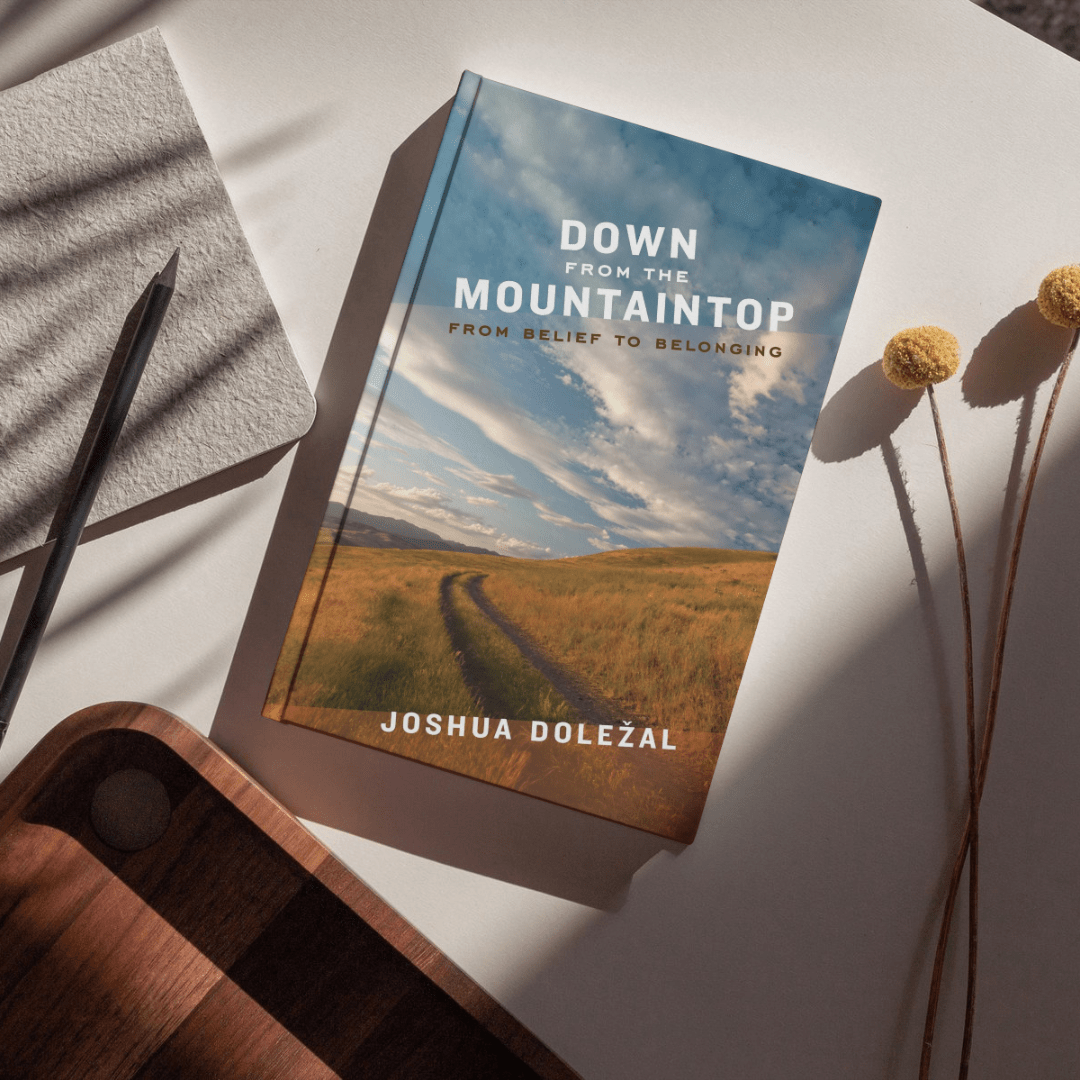
Down from the Mountaintop
Book Reviews
“Joshua Doležal traces the map of his life with the instincts of a poet and the sure direction of a cartographer. Intimate and lyrical, his story is one of fallen faith, found love, and the way we must sometimes circle back to find what we have lost.”
— Kim Barnes, author, In the Wilderness: Coming of Age in Unknown Country
"I couldn't put this book down. Part of it is that I grew up in his childhood area, knew his family, and had similar religious upbringing; but even it this were not true, I would love this book. His writing is lyrical, and use of metaphor in his descriptions very tasteful. Raw, honest, engaging, humorous, warm and non-judgmental, he takes the reader along with him on his journey from the surety and absoluteness of fundamental religion to the expansion of his mind and spirit and a larger world-view."
— Nina Smith, Amazon reader
“Down from the Mountaintop is a tender and generous memoir of a boy’s awakening into young manhood. Joshua Doležal’s luminous prose evokes the natural beauty of western Montana, the spirituality implicit in that beauty, and the complexities and enduring power in the bonds of family.”
— Mary Clearman Blew, author, This Is Not the Ivy League
“From a mountaintop childhood of baseball, the Bible, huckleberry picking, and revival meetings, Joshua Doležal narrates his story of outmigration. Yet, even as he recounts his escape, the high rugged home lives irrevocably inside Doležal, just as it will haunt the reader after experiencing this lush, transporting, and heartfelt memoir.”
— Debra Marquart, author, The Horizontal World: Growing Up Wild in the Middle of Nowhere
Subscribe to
Josh’s Substack
Featuring craft resources for writers, reviews and interviews, and new chapters from a book in progress.